
JAPOW
Investing in Japan's Mountain Hospitality Transformation
JAPOW is evaluating the acquisition and repositioning of a hospitality property in one of Japan's most compelling mountain destinations.
MYOKO KOGEN · HAKUBA · NOZAWA ONSEN
The Opportunity
Japan Is Experiencing a Historic Tourism Expansion
Japan is also seeking to distribute more international tourism into regional Japan — beyond Tokyo, Kyoto and Osaka.
42.68M
International visitors — 2025
+15.8%
Year-on-year growth
~$60B
International tourism expenditure
International visitors to Japan (millions)
Japan's national target is 60M international visitors by 2030.
Source: JNTO / Japan Tourism Agency national statistics. Japan-wide data.
International Ski Tourism
~+50%
International ski-traveller growth — Visa 2024/25 dataset
The international mountain customer stays longer, spends more — and usually combines the mountains with Tokyo and wider Japan.
~30%
Australia
~20%
United States
~12%
Singapore · Thailand · Malaysia
Spend extends beyond accommodation into F&B, ski equipment, transport, wellness and onsen. Other relevant source markets: Hong Kong, Taiwan, South Korea, China, Southeast Asia and Europe.
Visa traveller / payment data, 2024/25 season — not a complete census of Japanese ski tourism.
Why Japanese Mountain Hospitality Is Different
World-class snow combined with a cultural and hospitality experience fundamentally different from European or North American ski destinations.
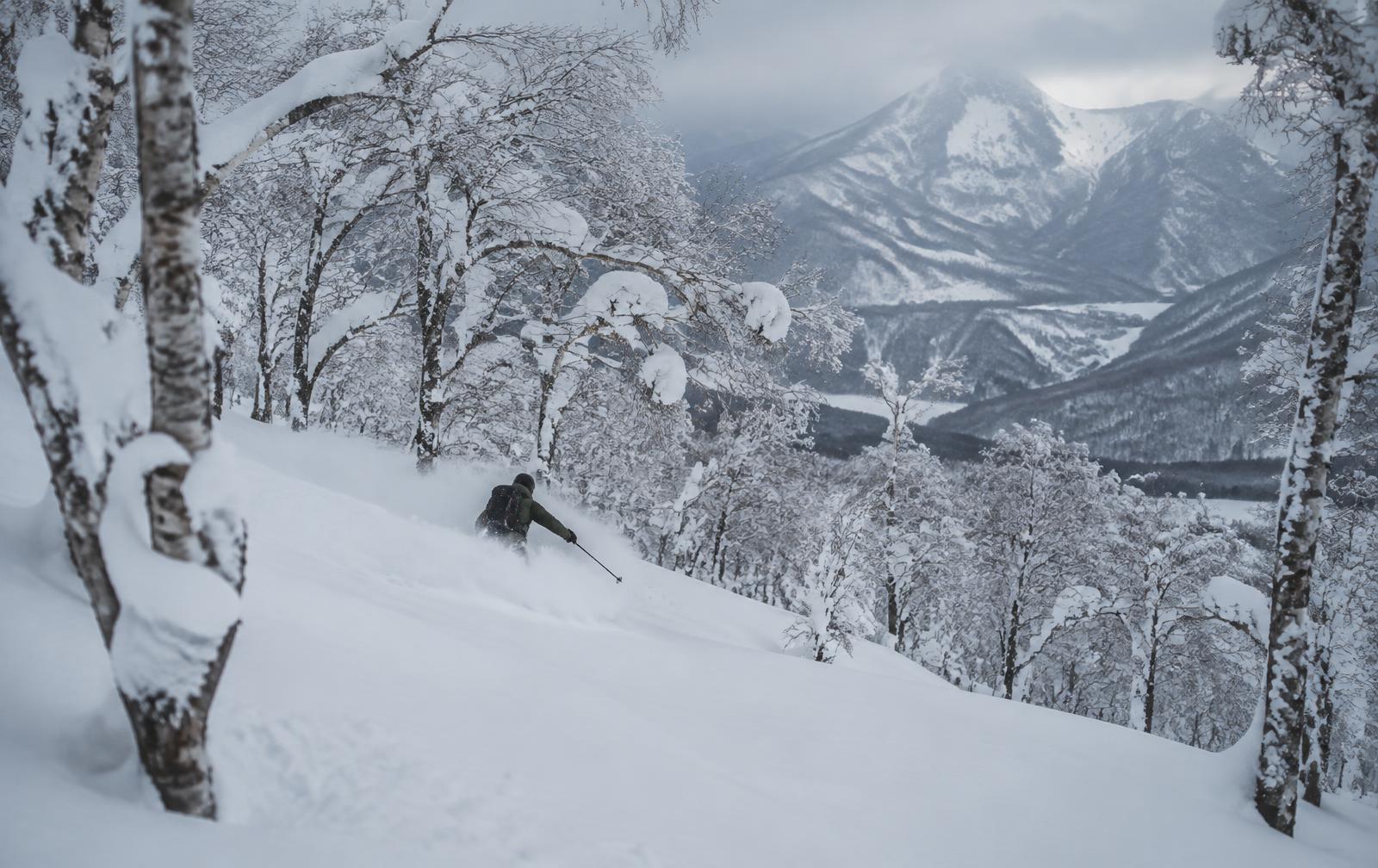
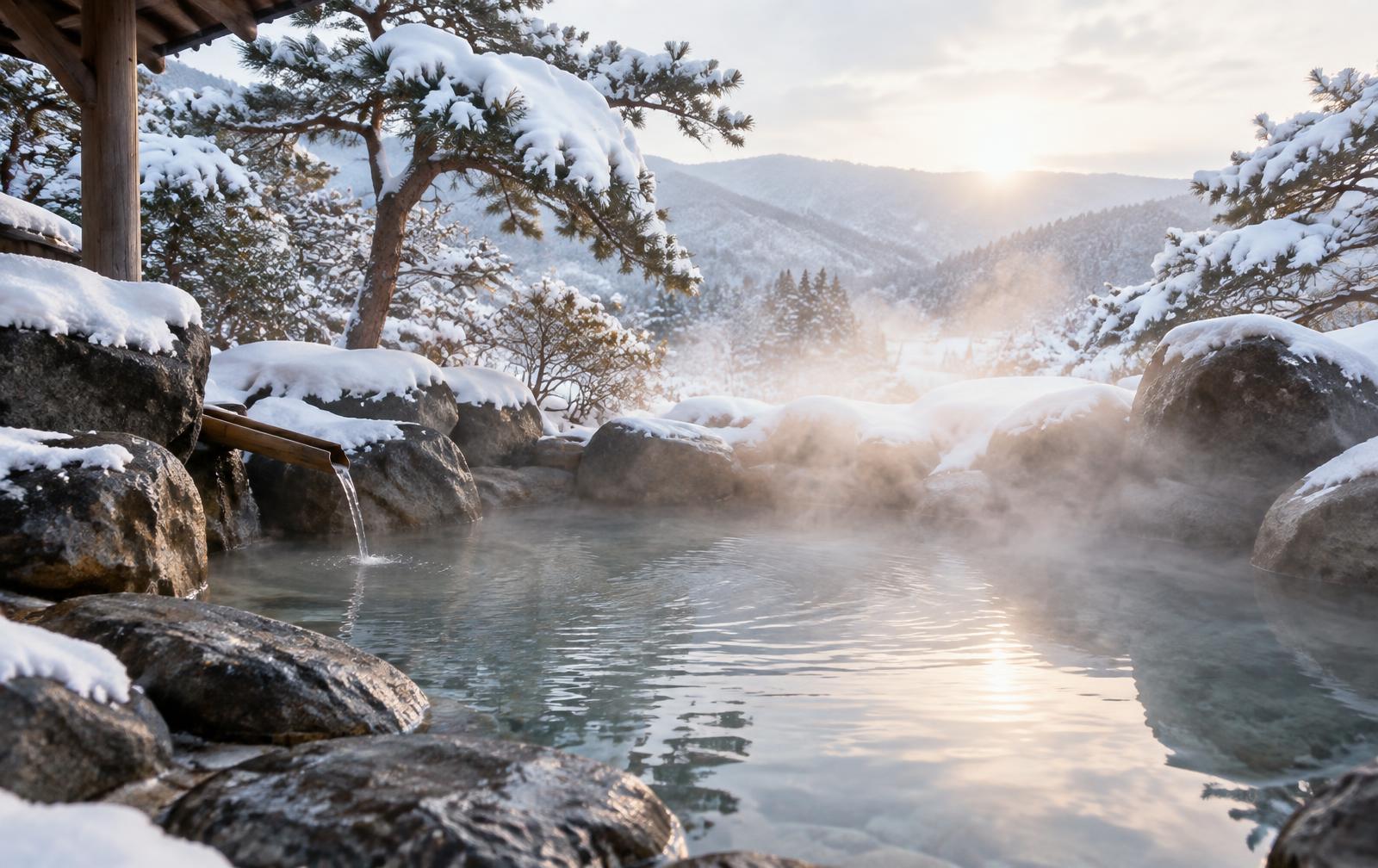
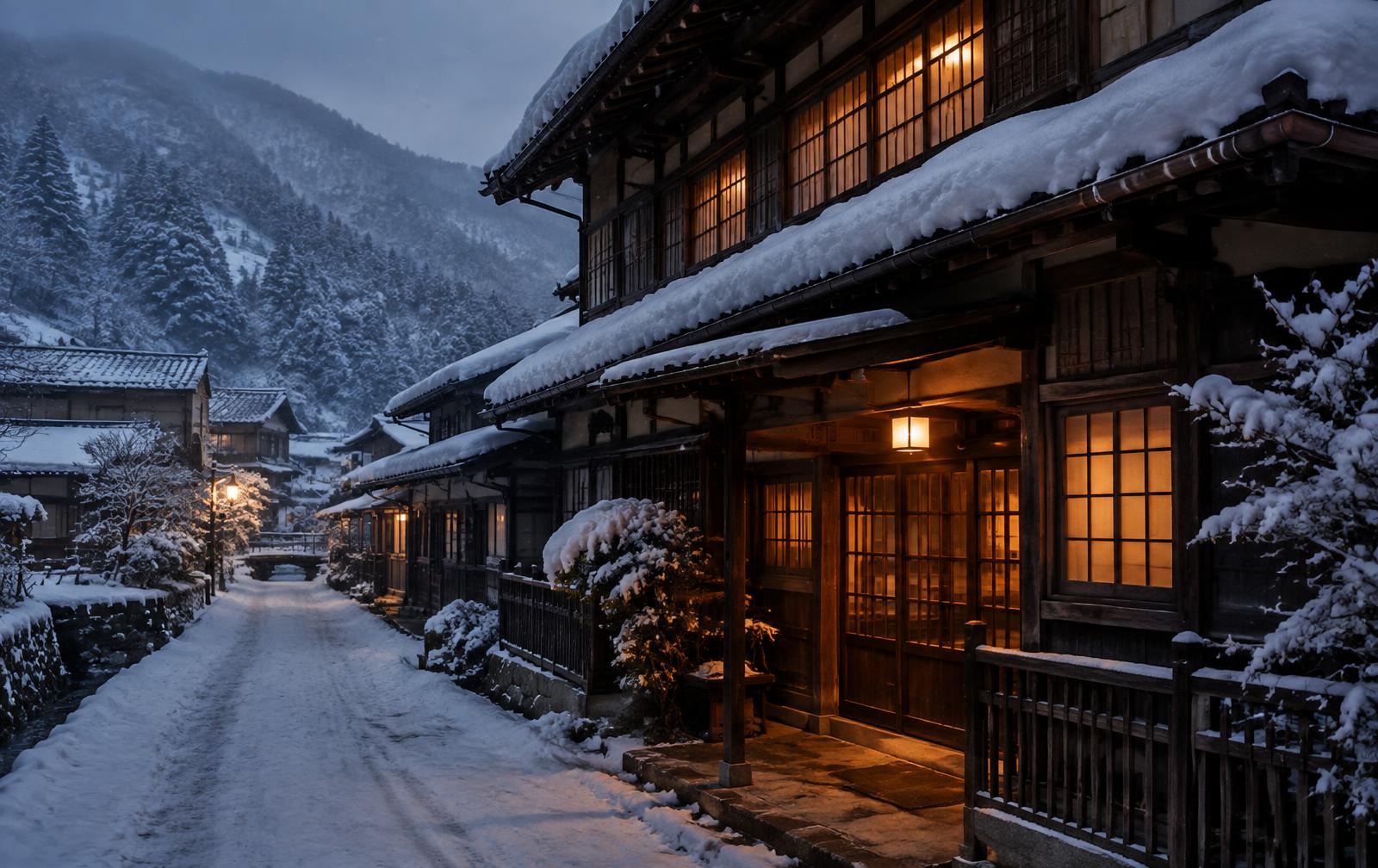
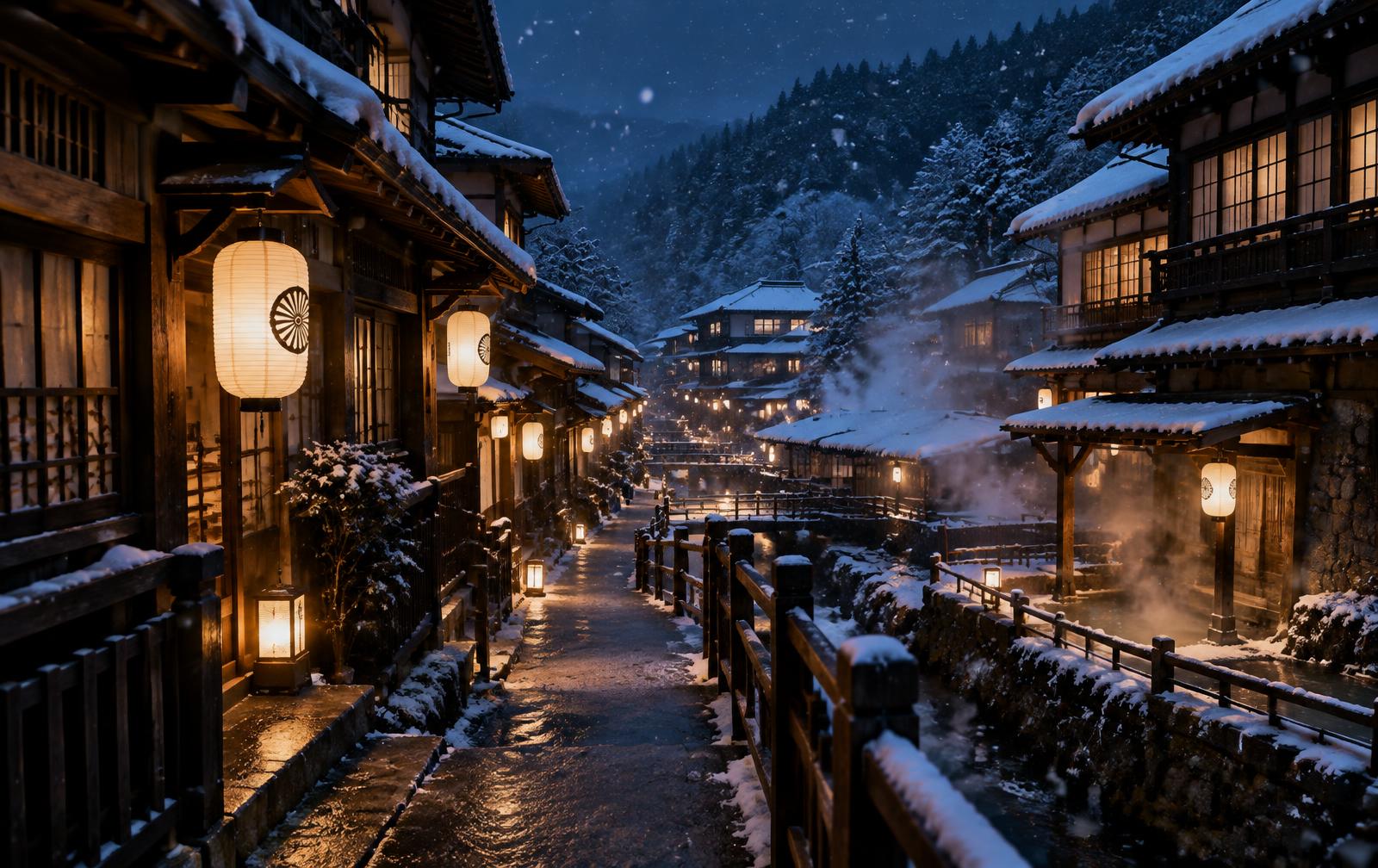
Japanese food·Sake·Temples and shrines·Japanese hospitality·Mountain culture·Tokyo and wider Japan
The Investment Thesis
JAPOW is evaluating the acquisition of an existing ryokan, hotel or pension during a period of record international tourism and rising international mountain demand.
- 01Record Japan tourism
- 02International ski demand
- 03Legacy Japanese hospitality assets
- 04Increasing accommodation pricing
- 05Scarce mountain real estate
- 06Renovation & selective expansion potential
Three Markets
One Mountain Ecosystem, Not Three Isolated Resorts
Schematic diagram — not to scale. Gold lines: Hokuriku Shinkansen. Dashed: regional rail / express bus.
These destinations sit inside a broader Nagano–Niigata mountain ecosystem supported by Japan's rail infrastructure and important regional population centres — not isolated ski resorts.
Three Markets. Three Different Opportunities.
| Myoko | Hakuba | Nozawa | |
|---|---|---|---|
| Market stage | Rapid transformation | Established international | Rapid internationalisation |
| International demand | Very strong growth | Established high | Strong growth |
| International maturity | Growing rapidly | Highest | Growing rapidly |
| Snow | Exceptional | Exceptional | Exceptional |
| Onsen | Excellent | Good | Exceptional |
| Japanese experience | Very strong | Area dependent | Exceptional |
| Shinkansen gateway | Nagano + Joetsu-Myoko | Nagano | Iiyama |
| Regional city / hub | Nagano + Joetsu | Nagano | Iiyama / Northern Nagano |
| Large-site potential | Highest | Medium | Low |
| Property-price momentum | Emerging | Very strong | Very strong |
| Institutional investment | Very high / accelerating | Very high | Lower |
| Four-season potential | High | High / established | High |
| Expansion potential | Highest | Selective | Limited |
| Potential JAPOW approach | Renovate + Expand | Premium Repositioning | Ryokan Repositioning |
Accommodation economics for all three markets are compared in The Economics.
Market Deep Dive
Myoko. Hakuba. Nozawa.
妙高高原
Myoko Kogen
International Demand + Expansion Potential
Destination
A distributed mountain ecosystem in Niigata, immediately adjacent to Nagano — not a single resort.
Akakura Onsen·Akakura Kanko·Ikenotaira·Myoko Suginohara·Seki Onsen
Ski & Snow
Multiple mountains with different ski products, deep snowfall and exceptional powder.
Akakura·Suginohara·Ikenotaira·Seki Onsen
International Demand
Foreign ski visits to Niigata increased 30.2%.
Niigata Prefecture statistics, 2025/26 — not Myoko-only visitation. Myoko-specific nationality percentages are not published.
Relevant source markets include Australia, the United States, Singapore, Hong Kong, Taiwan and other Asian markets.
Japanese Experience
Akakura carries a historic onsen culture — ryokan, tatami, Japanese architecture, restaurants and traditional hospitality. Character JAPOW can potentially preserve while modernising the product.
Connectivity
Nagano ← Myoko → Joetsu
Tokyo → Nagano ~80–100 min Shinkansen · Nagano → Myoko-Kogen ~45 min rail
Joetsu-Myoko → Myoko-Kogen ~35 min rail
Two Shinkansen gateways. Nagano provides restaurants, retail, healthcare and employment; Joetsu provides regional population and Sea of Japan access.
Regional Ecosystem
Myoko-Togakushi Renzan National Park·Lake Nojiri·Mount Myoko·Mount Hiuchi·Naena Falls·Togakushi Shrine·Sea of Japan
Four-Season
Hiking·Lake Nojiri·Cycling·Onsen·Waterfalls·Togakushi·Autumn foliage
Real Estate & Development
International acquisition activity is increasing, particularly around Akakura. A major institutional developer has reportedly assembled ~350 ha, with $1.3B+ reported long-term destination investment in luxury hospitality, residences and resort infrastructure — future competition as well as destination transformation. Detailed ski-zone land pricing is under development; no appreciation percentage is stated.
JAPOW Fit
Strongest Fit for Expansion-Led Acquisition
10–40 existing rooms·Operating ryokan / hotel·Strong ski access·Onsen preferred·Restaurant / common spaces·Parking·Substantial usable land
- — Niigata ski visits 2025/26: 4.103M (overall −1.8% YoY); foreign 824,000 (+30.2%).
- — RevPAR YoY +49.7%. Avg. annual revenue per active listing $32.7k. 58 active listings in dataset.
- — Supply: significant ryokan, pensions, small hotels and lodges. The opportunity may be acquiring existing infrastructure in strong locations that can be substantially improved.
- — Myoko City averages are not used for land values, as they would misrepresent ski-zone values.
The Economics
Three Markets. Different Economics.
ADR (USD)
Occupancy
RevPAR (USD)
RevPAR growth YoY: Myoko +49.7% · Hakuba +28.3%
ADR Growth YoY
Real-Estate Momentum
+35.6%
Hakuba — latest commercial land benchmark YoY
~+21–23%
Nozawa — two official benchmarks YoY
Increasing investment activity
Myoko — comparable ski-zone benchmark under development
Specific official benchmark locations — not destination-wide appreciation rates.
Niseko serves as a benchmark only: it shows what sustained internationalisation can create — international hotels, premium accommodation, branded residences, premium F&B and higher land values. Hakuba is further along that curve; Myoko combines rapid demand growth with major capital entering; Nozawa combines international demand, scarcity and strong recent land-price growth.
Target Returns & Value Creation
Targeting ~15% Stabilised Yield on Total Project Cost
~15%
Target stabilised unlevered yield on total project cost
Investment Target — Not a Guaranteed Return
JAPOW's objective is an acquisition where purchase basis, renovation, operational improvement and selective expansion together can support approximately this level of stabilised yield.
Stabilised NOI
Total Project Cost
Acquisition + Transaction Costs + Renovation + Expansion + Infrastructure + Pre-opening / Working Capital. Never calculated from acquisition price alone.
Why JAPOW Can Target This
01Acquire Well
Existing hospitality assets can provide land, rooms, restaurant, reception, kitchen, onsen, utilities and operating infrastructure from day one.
02Renovate
Upgrade an existing asset rather than constructing the entire hospitality operation from zero.
03Reposition
Create a contemporary accommodation product for the growing international mountain customer.
04Increase ADR
Improve rooms, bathrooms, interiors, common spaces, F&B, guest experience and positioning.
05Improve Distribution
International OTAs, direct bookings, revenue management, international marketing and better pricing discipline.
06Expand Keys
Where suitable developable land exists, add accommodation without duplicating the central hotel infrastructure.
07Operating Leverage
More rooms can share reception, management, restaurant, kitchen, onsen, back-of-house, maintenance and guest services.
08Extend the Season
Hiking, cycling, mountain biking, wellness, onsen, food and regional tourism outside the core ski months.
09Stabilised Hospitality Asset
A larger, better-positioned and professionally operated mountain hospitality property.
~15%
Target stabilised unlevered yield on total project cost
Return Creation — Not Market Appreciation
JAPOW should not depend primarily on future land appreciation to achieve its investment objective.
Acquisition Basis+Operational Improvement+ADR Growth+Additional Keys+Operating Leverage+Four-Season Utilisation
Potential real-estate appreciation is treated as additional upside — not the foundation of the underwriting.
Flexible Operating Model
JAPOW's value lies in creating the right asset and hospitality product. The operating model is selected according to what maximises long-term asset value.
JAPOW / Local Operating Team
Direct operation through JAPOW's local operating infrastructure.
Control · Flexibility · Direct implementation of the concept · Close local management
Professional Third-Party Operator
An experienced hotel management company operates the property on JAPOW's behalf.
Professional systems · Staffing · Revenue management · Distribution · Operating scale
International / Japanese Hotel Brand
For an asset of sufficient scale and positioning, affiliation with or management by an established brand may be evaluated.
Global distribution · Loyalty programme · Brand recognition · Revenue management · Potential institutional credibility at exit
Operator optionality: JAPOW can determine the optimal operating structure once the property, scale, positioning and economics are known. No operator or brand has been appointed.
Asset Creation & Exit Value
Small / legacy hospitality asset
↓
Professionally positioned mountain hotel
More keys · Higher-quality accommodation · International distribution · Professional operations · Stronger financial reporting · Potentially an established operator or brand
JAPOW is not simply seeking to buy a small existing ryokan and collect its current income. The transformation can create a different institutional asset profile from the property originally acquired — and may broaden the future universe of operators, lenders, strategic buyers, hospitality investors and institutional real-estate investors. No valuation uplift is promised.
JAPOW Is Not a Passive Yield Strategy
The target return is intended to come from active value creation. The objective is approximately 15% stabilised unlevered yield on total project cost, with any financing, refinancing or eventual asset appreciation representing separate potential components of investor returns. This is a target, not a guaranteed outcome.
The JAPOW Investment
From Existing Ryokan to Contemporary Mountain Hospitality
Retain valuable Japanese character, architecture and onsen; renovate rooms, bathrooms, heating, interiors and F&B; reposition through international distribution, revenue management and guest experience; expand only where land, planning and economics support it.
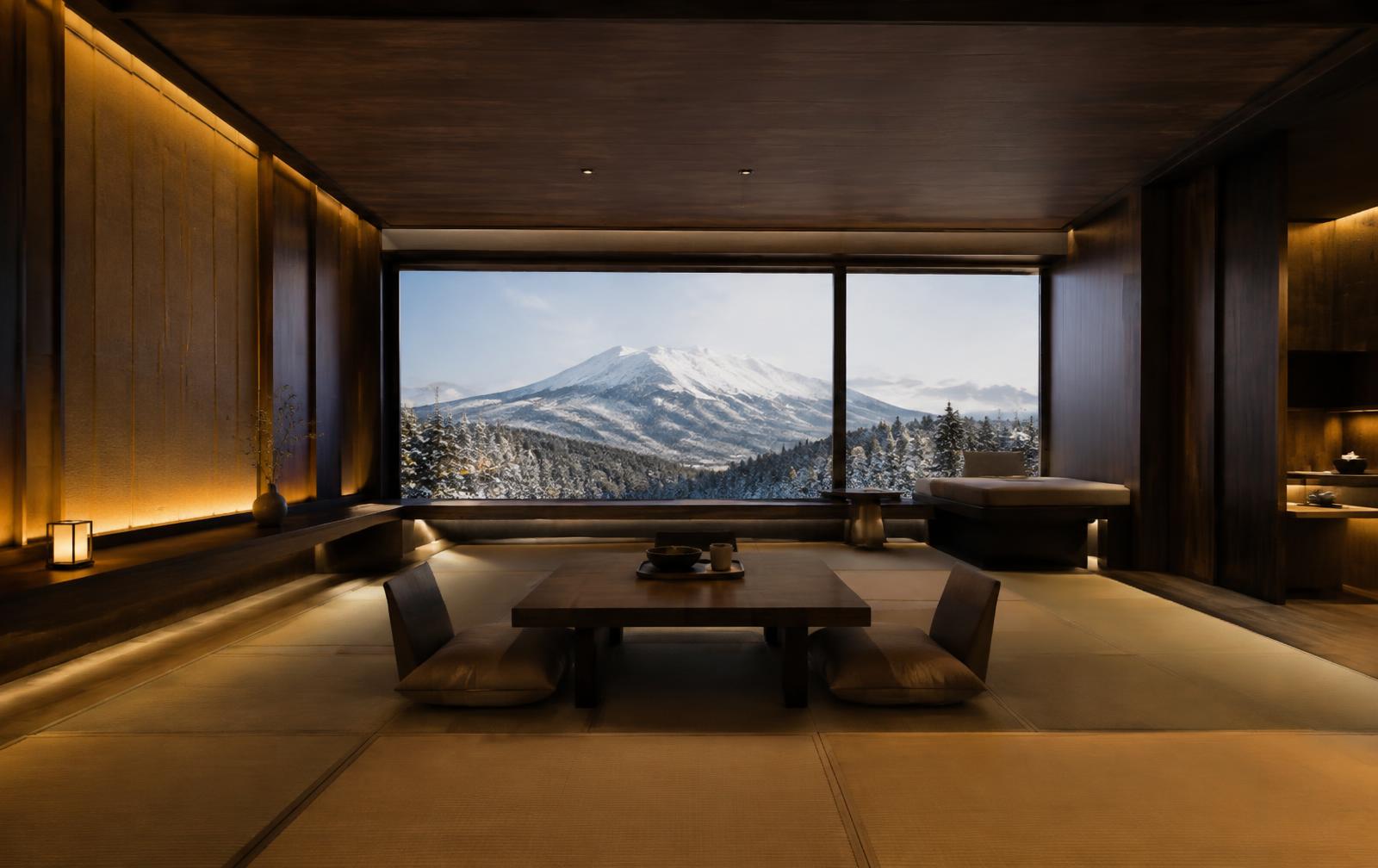
Why an Existing Ryokan
An existing ryokan can already provide the hospitality infrastructure — and potentially the development potential.
Rooms, reception, restaurant, commercial kitchen, onsen, utilities, parking, staff spaces, operating history and a genuine Japanese identity.
Example Transformation
Today
20-room traditional ryokan
+ restaurant + onsen + reception + existing infrastructure
→
Potential JAPOW
20 renovated rooms + 30–40 potential new units
50–60
potential keys
Where planning, site conditions and economics permit. The existing ryokan becomes the social and operational heart of the property.
Expansion Model
~50 m²
Conceptual new accommodation unit
| 10 units | ~1,000–1,200 m² usable land |
| 20 units | ~2,000–2,500 m² usable land |
| 30 units | ~3,000–3,500 m² usable land |
| 40 units | ~4,000–5,000 m² usable land |
| 60 units | ~6,000–7,000 m² usable land |
Preliminary site-screening assumption (~6–7 units per 700 m²) — not planning entitlement.
Land
Slope·Hazards·Road access·Setbacks·Existing buildings·Parking·Snow storage·Utilities·Planning
Investment & Development Framework
Ownership & Operations
Title, hospitality permissions and acquisition structure.
Land & Development
Actual development capacity and planning.
Building & Infrastructure
Condition, utilities, onsen and infrastructure.
Mountain Conditions
Snow, terrain, access and natural hazards.
05 — Total Investment
Acquisition + Transaction Costs + Renovation + Expansion + Infrastructure + Working Capital =
Total JAPOW Investment
Opportunities are evaluated on total invested capital, not headline purchase price. Detailed legal, technical, tax and planning documentation belongs in due diligence.
Four-Season Opportunity
Winter
Ski · Powder · Onsen
Spring
Late ski · Hiking · Nature
Summer
Hiking · MTB · Cycling · Lakes
Autumn
Foliage · Food · Onsen
JAPOW does not require equal demand across all twelve months. The objective is to extend economically meaningful utilisation beyond the core ski season.
Operating Partnership
Built to Execute in Japan
JAPOW combines international investment and hospitality experience with established on-the-ground capabilities in Japan. The project is supported by the operating team behind Akiya Air International, bringing together international real-estate investment experience and local Japanese sourcing, acquisition, renovation and operational expertise.
Jose Martinez
Co-Founder & Operating Partner — International
20+ years building and operating international businesses across travel, marketplaces and real estate. In recent years, focused on sourcing, acquiring, repositioning and operating real estate for international buyers and investors, including investments in Japan.
For JAPOW, leads
Investment strategy·Capital·Underwriting·Acquisition·Commercial strategy·International distribution
Tsuyoshi Domoto
Co-Founder & Operating Partner — Japan
Japan-based operating partner with local experience across property sourcing, acquisition, renovation and operations.
For JAPOW, leads
Local sourcing·Seller relationships·Acquisition execution·Renovation coordination·Local operations·Japanese partner network
International Capital & Hospitality Experience
+
Local Japanese Execution
↓
JAPOW
JAPOW is not approaching Japan as a remote financial investor. The project combines international investment experience with permanent local execution capability in Japan.
Properties We're Exploring
Properties We're Exploring
JAPOW is currently reviewing hospitality opportunities across the three target markets. Selected properties will appear here as they progress through initial review.
Myoko
Opportunities Under Review
Focus: Ryokan / hotel + expansion land
Hakuba
Opportunities Under Review
Focus: Premium repositioning
Nozawa
Opportunities Under Review
Focus: Scarce central ryokan / hotel
The Investment Decision
Three Markets. One Investment.
Myoko
Expansion
Rapid international demand · larger-site potential · Nagano + Joetsu connectivity
Hakuba
Proven Pricing
Highest current STR ADR · established international market · premium repositioning
Nozawa
Scarcity
Historic village · onsen · highest occupancy · limited central supply
The selected property must combine
Location+Acquisition Basis+Existing Hospitality Infrastructure+International Demand+Renovation Potential+Development Potential+Total Investment Economics
Key Risks
Seasonality
Mountain hospitality remains seasonal.
Snow & Climate
Individual winter conditions can vary.
Acquisition Pricing
Some markets are already repricing rapidly.
Development
Expansion depends on actual planning and site conditions.
Construction
Mountain renovation and development can be expensive.
Labour
Seasonal hospitality can require staff housing and specialist recruitment.
Infrastructure
Utilities, access and snow management can constrain development.
Natural Hazards
Mountain properties require property-specific hazard assessment.
Competition
Sophisticated capital is increasingly active, particularly in Myoko and Hakuba.
Community
The project should preserve and work with local Japanese character rather than simply import a foreign resort concept.
One Project. One Property. The Right Location.
Investor Resources
Research & Methodology
- — JNTO visitor statistics
- — Japan Tourism Agency
- — National tourism expenditure data
- — Prefectural ski-visit counts
- — Visa international ski-traveller dataset (traveller/payment data — not a complete census)
- — Niigata Prefecture
- — Myoko City
- — Myoko-Togakushi Renzan National Park
- — Nagano Prefecture
- — Hakuba Village
- — Hakuba Valley resort operators
- — Nagano Prefecture
- — Nozawa Onsen Village
- — Nozawa Onsen ski resort
- — AirDNA — tracked short-term-rental inventory across major booking platforms (TTM August 2026)
- — MLIT official land benchmarks
- — Prefectural land-price data
- — JR East — Hokuriku Shinkansen
- — Official regional rail and express-bus operators
- — Credible independent reporting on announced resort developments
Investor Data Room
Detailed property, financial, legal and technical documentation will become available as the selected acquisition progresses through due diligence.
Data Room — Coming LaterJAPOW
A Japanese Mountain Hospitality Investment Project
JAPOW is evaluating one hospitality acquisition across Myoko Kogen, Hakuba and Nozawa Onsen.
For information purposes only. Not an offer of securities.